










































COMDIS HSD Field Communications Toolkit
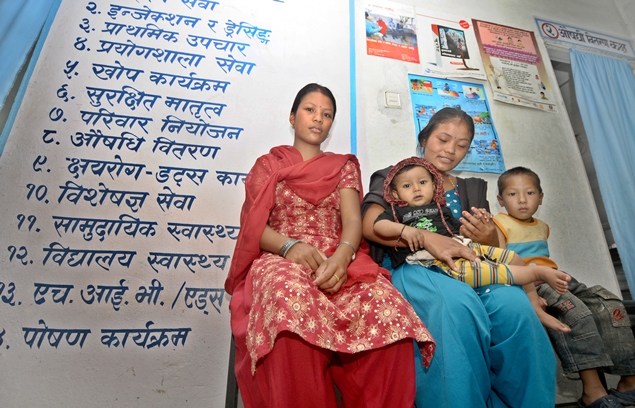
The Communicable Diseases Health Service Delivery (COMDIS HSD) Consortium conducts research primarily in low-income countries with the aim of improving the delivery of basic health services, particularly for communicable diseases. This toolkit was designed in 2012 to support project managers and staff to:
- develop more effective communications about COMDIS HSD research for wider research uptake;
- support COMDIS HSD staff to gather relevant materials when working in the field; and
- enable staff to effectively communicate information about projects to policy makers, donors, and other stakeholders.
Although the wording is aimed at COMDIS HSD staff, the toolkit can be adapted to suit other organisations. It emphasises collecting stories as evidence, specifically, as stated in the toolkit, "the anecdotes you hear or the small changes in behaviour you see when you are focused on undertaking research or writing formal reports…Capturing this information as you carry out your work will add immense value to reports and provide materials for case studies, news articles, interviews, photo stories and even films, all of which can be used online and in print, to advocate for changes in policy and to raise the profile of [your] organisation. Perhaps most importantly for you, it will also help illustrate the successful impact of your project with both donors and partners…Real life stories and pictures can be used as a tool to influence and add qualitative depth. This handbook will provide you with simple, time-saving techniques for capturing information while going about your planned research activities. This handbook will enable you to add value to that documentation by also gathering interesting stories, photographs and interviews which can be used to help the progress of [your] research."
Contents include the following:
- Introduction
- Section One: Information Gathering
Build story gathering into planned visits
Recognise a story
Use your community contacts as researchers
What makes a good interview
Capture quotes accurately
Handling difficult situations - Section Two: Photography
Tips on taking photography - Section Three: Producing your material
Template and guidelines
Tips for using plain English - Section Four: Brand Guidelines
- Section Five: Working with the media
Using the media to lobby
Which media to engage with?
Building journalist relationships
Writing a news release
Distribution and follow up
Giving a media interview - Section Six: Monitoring and evaluation and feedback
Judging whether your stories & photographs have had an impact
Feedback to communities and partners
Feedback to us - Section Seven: Writing policy briefs
Role of policy briefs in research uptake
Examples of strong policy briefs
Writing a policy brief
Policy brief templates
Disseminating a policy brief - Toolkit
Section eight: Securing consent
Verbal permission
Permission form
Section nine: Field Trip Toolkit
Project and story information form
Interview form
36
Emails from Nilam Ashra-McGrath to The Communication Initiative on September 10 2013, September 19 2013, and December 4 2013.
- Log in to post comments