










































Humanitarian Health Ethics Analysis Tool (HHEAT)
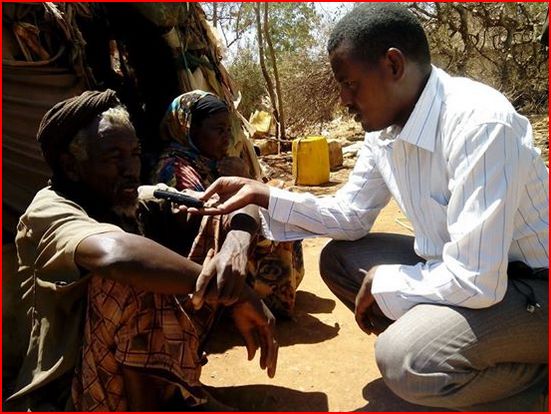
"The middle of an acute crisis might not be the ideal time for thoughtful ethical discussion and reflection..."
Inspired by research examining ethical challenges and moral distress experienced by humanitarian workers, this ethical analysis tool is designed to help humanitarian healthcare workers make ethical decisions. It is intended to facilitate discussion and deliberation so that teams can implement decisions for which ethically important features have been considered and values and consequences have been weighed. Using the tool can also help individuals and teams structure their reflection and deliberation.
It consists of 3 components: (1) a summary card highlighting key questions, (2) a handbook providing an overview of the tool, and (3) a worksheet for recording the decision-making process. The tool was inspired by research examining ethical challenges and moral distress experienced by humanitarian workers. The HHEAT has been tested and validated by humanitarian workers and experts from the fields of humanitarian medicine and nursing, as well as applied ethics. By providing a step-by-step approach to complex ethical decision-making, the HHEAT is designed to ensure that the process is more comprehensive and transparent. It helps structure and support individual and group deliberation by promoting rational discussion and moral justification.
The tool can be used in pre-departure training to work through common cases and scenarios, in the field when ethical issues arise, or in debriefing sessions after particularly difficult decisions. For instance, it is noted that special attention in United Nations (UN) declarations has been given to the rights of children and women to freedom from suffering and the freedom to exercise health choices. Links to a variety of resources to help the practitioner understand these laws, as well as the ethical theories that underlie them, are provided.
It consists of a 6-step process:
- Determine whether an ethical issue exists and summarise it clearly and concisely. This summary should highlight pertinent features of the situation, as well as principles and moral values, in an objective manner.
- Collect data and consider 3 sources of information that are especially relevant in humanitarian aid contexts: a) resource allocation and clinical features; b) participation, perspectives, and power (involves considering the position, relationships, and participation of various stakeholders); and c) community, projects, and policies (involves questioning how cultural frameworks and personal and collective histories affect how the issue is understood.)
- Review the ethical issue: Assess all the information that has been gathered and then identify knowledge gaps, obstacles, and impediments that may hinder or make potential courses of action difficult or impossible.
- Analyse professional moral norms and guidelines for healthcare practice, human rights and international law, ethical theory, and local norms, values, and customs.
- Evaluate and select the best option.
- Ascertain whether the anticipated outcome occurred, whether it was satisfactory, and whether or not a debriefing might be helpful.
Publishers
36
Message from Sonya de Laat to The Communication Initiative on September 9 2014. Image credit: United Nations Office for the Coordination of Humanitarian Affairs
- Log in to post comments