











































Integrating gender lens into disaster legislation: The case of Nepal
Author: Ranjani.K.Murthy, May 4 - The Natural Calamity Relief Act 2039 B.S (of 1982) is the legal instrument in Nepal which provides a framework for relief and rescue efforts to be carried out in the event of a disaster. This Act was modified in 1989 and 1992. The amendments pertain to strengthening institutional mechanism. There is no reference to gender issues within the legislation, perhaps because, in 1982, the issue was still new. As such, the Act does not cover early warning and disaster risk reduction.
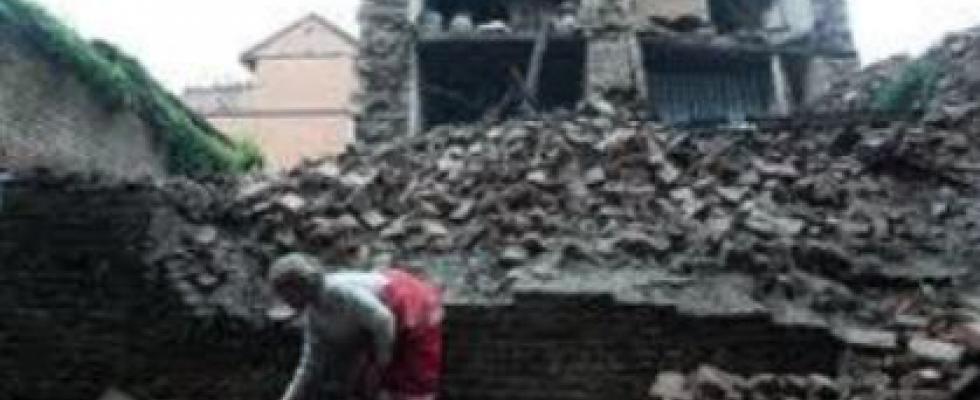
With the massive earthquake of 2015 leaving over 6000 people dead, it is time to look at the avenues that are open for integration of a gender perspective in the 1982 legislation through another amendment, perhaps a year down the line.
- Are women in decision making? The Act proposes constitution of a Central Committee. The Central Committee, as of now, does not include any representatives of Ministry of Women, Children and Social Welfare, as appropriate to that level. Women’s Advocacy Organizations are not part of the committee, while two non-gender-specific relief NGOs [non-governmental organisations] are. Two sub-committees are mentioned in the legislation - Relief and Treatment sub-committee and Supplies, Shelter and Rehabilitation sub-committee. Women’s Ministry and women’s advocacy groups are again missing in these sub-committees.
- Are women engaged in implementation? On the Regional Committee, District Committees and Local Committees to oversee implementation and report to the Central Committee, there is no reference to the presence of women officials from Ministry of Women, Children and Social Welfare
- Are gender concerns included in rescue? The 1982 Act mentions evacuation of people to safe places, and rescuing those affected. However, there is no reference to having trained women rescue personnel, or giving priority to first evacuate pregnant, breast feeding, sick, elderly, women, disabled women/girls - with preference to women in remote areas and women from disadvantages groups/identities like single women, Dalits [a term usd to indicate a caste], Madhesis [an ethnic group in the region], transgender, etc.
- Are gender concerns included in relief and recovery? Relief items mentioned in the 1982 legislation are money, foods, clothes, medicine, construction materials and others. While the category ‘others’ is ambiguous, it is unlikely to include separate and safe toilets, separate clothing for different sexes/ages, sanitary napkins/materials, delivery kits, contraception (the absence of which affects women more than men), condoms, post-exposure prophylaxis (PEP), etc. Neither does it mention that compensation should be given to women (if in cash) or on woman’s name (if land or housing). Protection of women and girls - including from trafficking - does not get the attention it deserves.
The Natural Calamity Relief Act 2039 B.S (1982 A.D) of Nepal needs to be urgently strengthened by an amendment that focuses on gender-intensified (e.g. contraception), gender-specific (e.g. women rescue team) and gender-transformative (e.g. compensation on woman’s name) issues in the context of disaster before, during and after disaster, at both institutional and intervention levels.
Source:
Law Commission, n.d, Natural Calamity (Relief) Act. 2039 B.S. (1982), Law Commission, Government of Nepal
- Log in to post comments