










































Make Children Safe: Children’s Activity Book and Educator's Guide
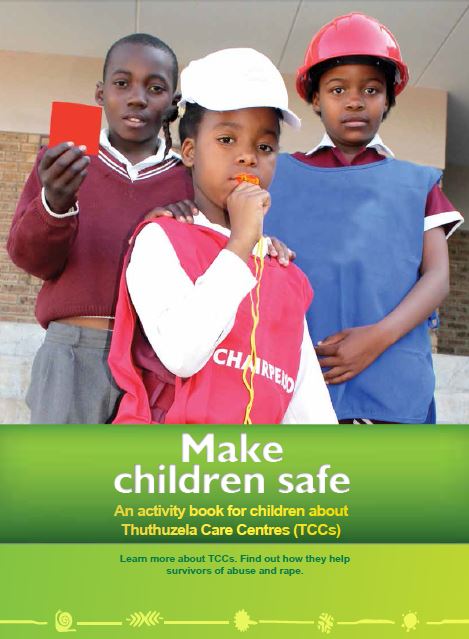
Produced by Soul City Institute for Health and Development Communication, this activity book and educator's guide form part of Soul City's Soul Buddyz Clubs initiative and is designed to help children and educators take action around child abuse in South Africa. The Soul Buddyz Clubs are mainly school-based clubs that bring together children between the ages of 8 and 14 years to undertake projects to create awareness about an issue or to help bring about change in their community. The activity book aims to help children: know what constitutes abuse; know how to stay safe (covering issues such as social media safety and pornography); and learn about ways of stopping abuse from happening to them. The activity book contains:
- step-by-step exercises and activities to create awareness around child rights and child abuse.
- a project that the children must complete within their schools.
- names of organisations that help children who are victims and survivors of abuse, like The Teddy Bear Clinic, Childline, and others.
The initiative is also designed to promote the Thuthuzela Care Centres (TCCs), which provide counselling, medicines, and legal support to help children and adults who have been abused in any way, including rape.
The activity book is accompanied by an educator’s guide, which seeks to guide and support educators/facilitators who are supporting the child-run Soul Buddyz Clubs with their activities. It also creates awareness of the warning signs of abuse and offers ideas for setting up a support system for abused children, which includes partnering with parents, the Child Protection Unit, local healthcare facilities, non-governmental organisations, psychologists, and the TCCs.
The guide:
- offers information on reporting abuse to the police;
- gives advice on dealing with children who have been abused and/or raped; and
- guides lesson planning aligned with the Life Orientation and Life Skills National Curriculum.
The activity book and educator’s guide can also be used together with a DVD and Child Sexual Abuse discussion tool.
English
Email received from Dimakatso Khalo of Soul City to Soul Beat Africa on November 17 2014.
- Log in to post comments