










































Mid-Level Management Course for EPI Managers
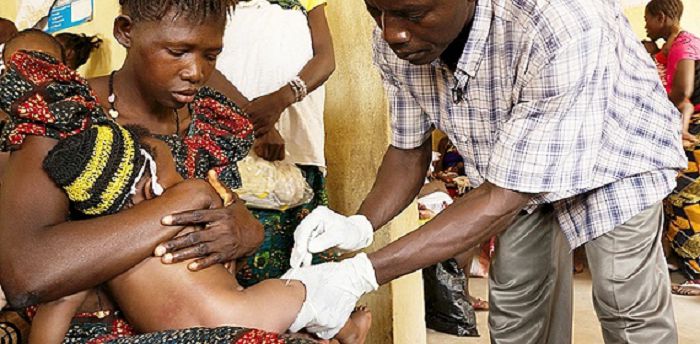
"Effective communication helps to mobilize resources for the immunisation programme and encourages other actors and organisations from various sectors and the community to participate in immunisation activities."
From the World Health Organization (WHO) Regional Office for Africa, the 25 modules in this resource compose a mid-level management (MLM) course for Expanded Programme on Immunization (EPI) managers. Its purpose is to develop managerial skills, particularly in the following areas:
- communication and mobilisation in support of immunisation;
- development of multi-annual and annual plans;
- management of logistics, the cold chain and vaccines;
- organisation of National Immunisation Days (NIDs);
- disease surveillance; and
- monitoring, supervision, and evaluation of immunisation services.
Module 3, which is solely focused on communication "provides managers with a general overview of the communication component within the EPI, as well as communication skills needed to support the programme. It is designed to help prepare EPI managers to address communication needs at national and district levels, and to work with behaviour change and communication experts to integrate and manage communication strategies for different EPI components and various target groups. EPI managers also need a solid basic understanding of how to plan, implement and evaluate activities relating to communication at all levels in order to achieve overall EPI objectives. This module also contains case studies and exercises to enhance immunisation staff’s ability to plan and implement communication on specific EPI topics, including injection safety, new vaccine introduction, Reaching Every District, etc. Several issues discussed in this module will recur in other MLM modules, e.g. planning, assessment, and increasing immunisation coverage. This reinforces the importance of integrating communication with all other EPI components. By gaining an overall understanding of communication for EPI, participants will be better placed to apply the principles and skills needed to do this effectively."
A selected insight from this module: "The EPI manager and his senior staff often communicate with individuals at a high levels (for example, the Secretary-General or the Minister of Health), concerning planning and reporting on activities. This audience may need technical data or a general and informative overview of activities and status of the EPI. As African countries are participating in global initiatives such as Polio Eradication, Measles and Neonatal Tetanus Elimination, etc., this audience needs continuous technical updates to mobilize resources to achieve national and global targets. In addition, immunisation and health staff at provincial and district levels often need to communicate with local politicians and other government officials in their provinces and districts."
This module, like all of the modules, is downloadable in Word and PDF format in both English and French.
Publishers
English, French
Email from Mike Favin to The Communication Initiative on February 23 2015. Image credit: WHO
- Log in to post comments