










































A Review of Teenage Pregnancy in South Africa: Experiences of Schooling, and Knowledge and Access to Sexual & Reproductive Health Services
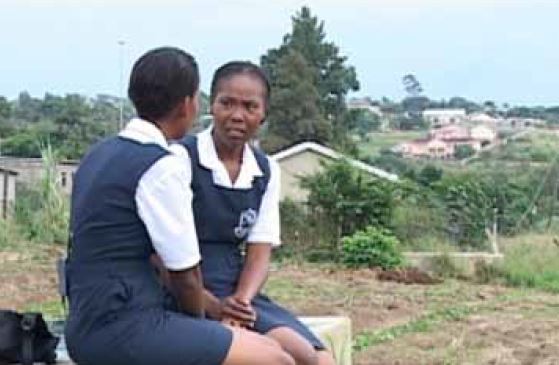
This 63-page report shares findings of a review commissioned to inform advocacy strategies around reducing unplanned teenage pregnancy and ensuring teenage mothers stay in and return to school. The report explores drivers of teenage pregnancy such as gendered norms, knowledge, access and use of contraceptives, as well as barriers and facilitators to returning to school. Based on a desktop literature review, supplemented by in-depth interviews, the review found that while adolescents have high levels of knowledge about contraceptive methods, gaps exist in the accuracy of their knowledge or skill regarding correct use of contraception. Among other interventions, "a lot more work still needs to be done to ensure comprehensive knowledge about contraceptives."
The study found that in terms of knowledge, access to, and use of, contraceptives, "many teenagers have a basic knowledge about contraceptives and protection from unplanned pregnancies, STIs and HIV. However, many report insufficient contraceptive knowledge and not using contraceptives correctly and consistently, as well as limited reproductive knowledge about fertility and conception." For example, many teenagers do not understand how conception occurs, when they are fertile, and the potential impact of incorrectly or inconsistently using contraceptives. They also are not aware of different kinds of contraceptives, and very few recognise the importance of dual protection against pregnancy and sexually transmitted infections. Some reported not really knowing how to use condoms, despite knowing about them.
The review found that despite a progressive policy environment, there are many challenges for young people to realise their rights when it comes to their sexual health. Similarly, while there is legal protection ensuring pregnant girls can stay in and return to school, in practice girls are still expelled and/or prevented by teachers and principals from returning. Many girls also experience discrimination, stigma and pressure to leave. Most are not aware of the fact that the law prohibits them from being expelled or being refused returning to school.
The report notes that there are many factors related to whether the young mother returns to school, for example the school policy, her own academic performance, and teacher support. However the overwhelming factor is access to child care during school hours, usually provided by mothers and maternal grandmothers. In the absence of this support from family, the mother is unlikely to return to school.
According to the report, the challenge of unplanned teenage pregnancy needs to be addressed at both an individual and structural level. Responses should focus on a number of areas including: gender equality programmes across communities and schools, comprehensive sex education, clinics with a full range of contraceptive options and appropriately trained health care workers, and family planning initiatives that are better geared to teenagers. It si important that “any strategy for family planning initiatives and increased contraceptive use needs to be run alongside programmes that empower young girls and enable them to make decisions about whether, when, and how to have sex. These initiatives can be integrated into school-based comprehensive sexuality education (CSE) sessions, as well as rolling out the many excellent community-based programmes that already exist to empower young girls and boys, some of which also involve critical work with parents."
The report also recommends that "awareness campaigns be developed to highlight the importance of returning to school quickly following childbirth. This would need to target a broad audience to ensure the teenager has family and community support for her return..." This would include pregnant teenagers, their parents, schools, health care workers and community leaders.
Health System Trust website on June 19 2014.
Image credit: Soul City Institute for Health and Development Communication.
- Log in to post comments