










































Vaccine Refusals Spur Outbreak Fears
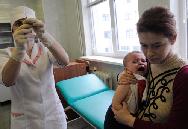
Associated Press
This article in the Globe and Mail newspaper reports that a widespread scare about vaccine side effects in Ukraine has led to a sharp drop in immunisations that could result in disease outbreaks spreading beyond the former Soviet republic. Hundreds of thousands of fearful Ukrainians have refused vaccines for diseases such as diphtheria, mumps, polio, hepatitis B, tuberculosis, whooping cough, and others in 2009, according to official estimates. Authorities have canceled a measles and rubella vaccination campaign funded by United States (US) philanthropist Ted Turner, and will have to collect and incinerate nearly 9 million unused doses in coming months.
This situation was sparked when a 17-year-old boy who had received a combined shot for measles and rubella died. Activists including members of the homeopathic and alternative healing industries blamed his death on the vaccination. Ukrainian authorities said they needed to investigate and halted the campaign to revaccinate 9 million Ukrainians aged 16-29. Although the Ukrainian Health Ministry and World Health Organization (WHO) concluded that the boy died of septic shock from a bacterial infection unrelated to the vaccine, in February the Ministry decided to terminate the revaccination campaign, saying there was no longer enough time to administer the vaccines before they expire this summer and that people would refuse the shots.
Several causes for this situation are intrinsically linked to communication issues. Centrally, Ukrainian media outlets are reportedly "numerous and uncensored but do not widely follow Western standards of fairness and accuracy. Some print and online reports alleged after the boy's death that the Indian-made measles and rubella vaccine would sterilize men as part of a plot by Mr. Turner..." This misinformation spread rapidly in light of the fact that "Ukraine has an educated population but rumours and misperceptions spread easily." Furthermore, "[c]onstant political turmoil and a devastating financial crisis - one of the worst in Europe - has fuelled mistrust of Ukraine's crumbling health care system, and authorities in general." This mistrust seems to have some grounding; as reported here, government mistakes appear to have been a major factor in the vaccine scare. When pressed by prosecutors after the teen's death, the country's chief public health official claimed that the vaccine, which was certified by WHO, was imported into the country without proper authorization. An expert in infectious diseases quoted here said prosecutors appeared to have used the case to promote themselves and discredit political opponents. "It looked more like a PR [public relations] campaign than a thorough probe."
The United Nations Children's Fund (UNICEF) says it believes that only up to 30% of Ukrainians who need revaccination for measles and rubella would turn up if the campaign were restarted today.
Global Health Council Weekly Update, March 30 2009.
- Log in to post comments