











































Women Journalist Journal: Stories of Gender Justice from Women Journalists across the Asia-Pacific Region
Image
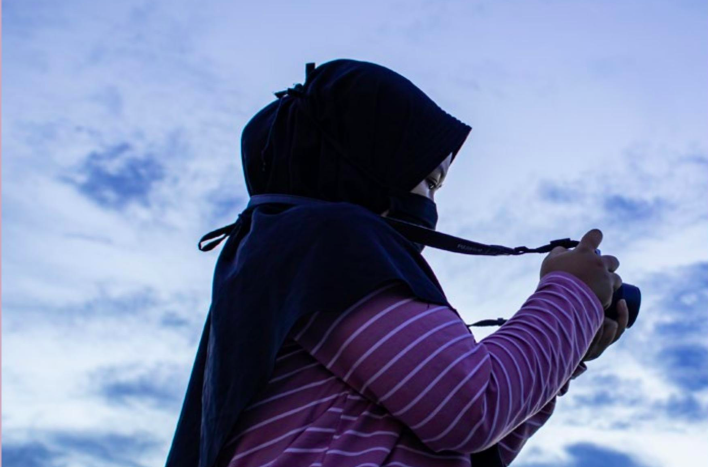
SummaryText
"Through the tip of their pen, women journalists have the power to draw policymakers' and other influential actors' attention to women's rights..." - Betty Herlina Anwar from Indonesia
This journal tells the personal stories of ten women journalists from across the Asia and Pacific region. Their stories are intended to reflect what it means to be a woman journalist in the region today, what it is like reporting on gender and justice issues from their countries, and the barriers they have to overcome to do their work.
Stories are from Afghanistan, Bangladesh, India, Indonesia, Pakistan, Sri Lanka, Philippines, and Vietnam. They deal with issues such as: gender bias in reporting; cybersecurity, gender and the media; the role of the media in changing public perceptions around the LGBTQI+ community; and the role of women journalists in promoting peace and social justice. Stories cover, for example, how an online hate campaign against one woman journalist almost stopped her from writing, how another is tackling patriarchal mindsets in the media industry, and how one journalist faced negative social consequences when her investigative reporting uncovered deeply entrenched gender stereotypes. As explained in the journal, "While the contributors to this Journal are from different backgrounds and have unique experiences, they all emphasize the need for greater support of women in the media industry. This Journal supports the next generation of women journalists standing up for just and equitable societies."
Each story is complemented by a knowledge piece that provides data and research related to the journalists' stories. The stories are as follows:
This journal tells the personal stories of ten women journalists from across the Asia and Pacific region. Their stories are intended to reflect what it means to be a woman journalist in the region today, what it is like reporting on gender and justice issues from their countries, and the barriers they have to overcome to do their work.
Stories are from Afghanistan, Bangladesh, India, Indonesia, Pakistan, Sri Lanka, Philippines, and Vietnam. They deal with issues such as: gender bias in reporting; cybersecurity, gender and the media; the role of the media in changing public perceptions around the LGBTQI+ community; and the role of women journalists in promoting peace and social justice. Stories cover, for example, how an online hate campaign against one woman journalist almost stopped her from writing, how another is tackling patriarchal mindsets in the media industry, and how one journalist faced negative social consequences when her investigative reporting uncovered deeply entrenched gender stereotypes. As explained in the journal, "While the contributors to this Journal are from different backgrounds and have unique experiences, they all emphasize the need for greater support of women in the media industry. This Journal supports the next generation of women journalists standing up for just and equitable societies."
Each story is complemented by a knowledge piece that provides data and research related to the journalists' stories. The stories are as follows:
- Indonesia: Press as a pillar of democracy - in the words of Indonesian journalist, Betty Herlina Anuar
- Sri Lanka: How media can change public perception - in the words of Sri Lankan journalist, Nirasha Piyawadani
- Philippines: Cybersecurity, gender and journalism - in the words of Filipina journalist, Regina Cabuto
- Afghanistan: Women's voices in peace and security - in the words of Afghan Journal, Zabalhad
- Vietnam: Women journalists for social justice - in the words of Soraya Kishtwari, a Journalist formerly based in Vietnam
- Philippines: National security laws and women journalists - in the words of Filipina journalists, Celine Isabelle Samson
- Bangladesh: Patriarchal mindsets silencing women journalists - in the words of Bangladeshi journalist, Banani Mallick
- India: Maintaining the civic space through journalism - in the words of Indian journalist, Siddhi Shah
- Bangladesh: Investigative reporting by women journalists - in the words of Bangladeshi journalist, Rahina Ferdous
- Pakistan: Safety of women in public and private domains - in the words of Pakistani journalist, Lubwa Jerar Naqvi
- Ensure the immediate and unconditional release of all journalists and media workers who have been arrested, detained, or disappeared for exercising their freedom of expression.
- Create and maintain, in law and practice, a safe and enabling offline and online environment for women journalists to perform their work.
- Adopt mechanisms and measures to ensure the safety and security of women journalists and media workers who exercise their freedom of expression.
- Prevent, investigate, and prosecute criminal acts committed against women journalists and media workers, whether online or offline, and provide remedies for victims.
- Invest in women journalists and media workers.
- Build a gender-inclusive and diverse media industry.
Publishers
Publication Date
Number of Pages
56
Source
UN Women Asia and the Pacific website on June 2 2023. Image credit: UN Women
PDFLink
- Log in to post comments