










































Link Up Project
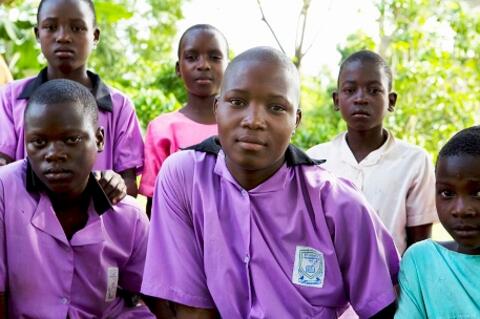
The project was developed based on a gap identified by the International HIV/AIDS Alliance in that SRHR/HIV programmes focus on adults living with HIV or on married women of reproductive age. Young people in many countries are often underserved by these programmes, or in the case of young people living with and affected by HIV, not served at all. The project recognises that young people remain at the centre of the HIV epidemic and they have the power, through their leadership, to help end AIDS. However, they face multiple barriers to contributing to HIV and SRHR policy and programme development processes.
Link Up will distinctively work with young women and men living with and affected by HIV aged 24 years and under, with a particular focus on young women and men living with HIV, sex workers and children who are exploited for sex, men who have sex with men, and transgender people, all of whom experience extreme difficulties accessing services due to the high levels of stigma, discrimination, and in some cases, the fear of arrest. The project is working to amplify their voices through community mobilisation and advocacy in national and global forums, particularly those informing the post-2015 development framework. Link Up will provide age-appropriate information and services to enhance existing SRHR and HIV initiatives addressing the needs of young people affected by HIV. An operational research component is also being implemented to document innovative approaches to integration in the different epidemiological contexts. The project also offers potential for effective inter-agency and south-to-south knowledge-sharing and learning.
Over a period of three years, the project will:
- provide quality education and services on SRHR and HIV;
- build the skills and knowledge of civil society, ministries of health and governments to deliver improved services which young people feel safe and comfortable accessing;
- promote and protect the needs and rights of young people affected by HIV in their own national contexts;
- gather evidence around what works when integrating sexual and reproductive health and HIV services to inform the development of new services.
According to the Link Up project, integrating HIV and SRHR services means providing components of sexual and reproductive health services in conjunction with HIV prevention, treatment, care, and support services. "Comprehensive integration makes human rights an explicit part of service delivery, and helps protect young people from rights violations associated with misguided HIV and sexual and reproductive health interventions. It entails that services be provided in a supportive, non-judgmental manner, irrespective of the young person’s age, ethnicity, gender, sexual orientation, legal status, HIV status, lifestyle or livelihood. Emphasising human rights also means providing comprehensive information on sexual health and rights, and on reproductive health and rights. It involves offering young people the same services that are available to adults – but tailored to their specific needs and experiences - and involves promoting fully informed decision-making as well as confidentiality and privacy."
The project works with local partners to reach youth. For example, in Ethiopia, Link Up aims to reach 140,000 young people to improve their sexual health. The project is working with the BEZA Anti-AIDS youth group whose dance troupe uses dance performances to get safe sex messages to their peers and encourage people to find out their HIV status. Once the troupe gathers a crowd, they have discussions to share information on HIV prevention.
Link Up has also published a policy brief which summarises recommendations for governments, ministries of health, donors, global policymakers, and civil society groups.
HIV/AIDS, Sexual and Reproductive Health and Rights
International HIV/AIDS Alliance, ATHENA Network, Global Youth Coalition on HIV/AIDS, Marie Stopes International in Bangladesh, Myanmar, and Uganda, Population Council, Stop AIDS NOW!, HASAB (HIV/AIDS and STD Alliance) in Bangladesh, Alliance Burundaise Contre le SIDA in Burundi, Organisation for Support Services for AIDS (OSSA) in Ethiopia, Alliance Myanmar, Community Health Alliance Uganda the project is funded by the Government of the Netherlands’ Ministry of Foreign Affairs
International HIV/AIDS Alliance website, Link Project Overview, and Link Up Policy Brief [PDF] on February 12 2014.
- Log in to post comments