










































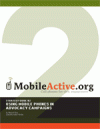
MobileActive Strategy Guide #2: Using Mobile Phones in Advocacy Campaigns
Image
SummaryText
This web-based guide on issue-centred advocacy, currently (2008) one of three at the MobileActive website, aggregates strategies, case studies, lessons learned, and a how-to section for advocacy organisations considering using mobile phones to advance their causes. It is intended to encourage the adoption of mobile phones by non-profits to build their constituent lists, influence political causes, and raise money.
The guide suggests that, because speed is a critical aspect of advocacy campaigns, mobile phones are useful to rapidly disseminate messages to a network of supporters with specific calls to action. It points out that mobile phones are more widespread in the developing world than internet technology, more frequently used by young people (particularly text messaging features), and with SMS (Short Message Service) technology, supports may sign petitions or take phone-based action immediately. As mobile banking becomes more widespread, instant fund-raising is a growing possibility. Mobile phone advocacy allows very focused recruiting of supporters by using specific venues, such as concerts or rallies where other forms of communication like fliers and on-stage announcements can be used in a multiplier strategy. The guide provides six steps to a successful mobile advocacy campaign and details on costs an organisation can expect to incur.
The guide's host website, MobileActive, is a global community of strategists, activists, and technicians who are using mobile phones in their social change work. This site includes blogs as conversation from the "MobileActive" community of site users, data, including statistics on mobile usage, a directory of mobile technology projects and practitioners, and strategy resources to leverage mobile technology for campaigns.
The guide suggests that, because speed is a critical aspect of advocacy campaigns, mobile phones are useful to rapidly disseminate messages to a network of supporters with specific calls to action. It points out that mobile phones are more widespread in the developing world than internet technology, more frequently used by young people (particularly text messaging features), and with SMS (Short Message Service) technology, supports may sign petitions or take phone-based action immediately. As mobile banking becomes more widespread, instant fund-raising is a growing possibility. Mobile phone advocacy allows very focused recruiting of supporters by using specific venues, such as concerts or rallies where other forms of communication like fliers and on-stage announcements can be used in a multiplier strategy. The guide provides six steps to a successful mobile advocacy campaign and details on costs an organisation can expect to incur.
The guide's host website, MobileActive, is a global community of strategists, activists, and technicians who are using mobile phones in their social change work. This site includes blogs as conversation from the "MobileActive" community of site users, data, including statistics on mobile usage, a directory of mobile technology projects and practitioners, and strategy resources to leverage mobile technology for campaigns.
Publication Date
Languages
English, Arabic
Number of Pages
15
Source
HUB website accessed on March 10 2008.
- Log in to post comments